- +84 (0) 935 952 699
- 8/3 Đ. Quang Lãm, Phú Lương, Hà Nội
- Mon - Sat (8am - 6pm)



DỊCH VỤ VẬN CHUYỂN CONTAINER LẠNH TỪ HÀN QUỐC VỀ VIỆT NAM: THỜI GIAN & CƯỚC PHÍ TỐI ƯU
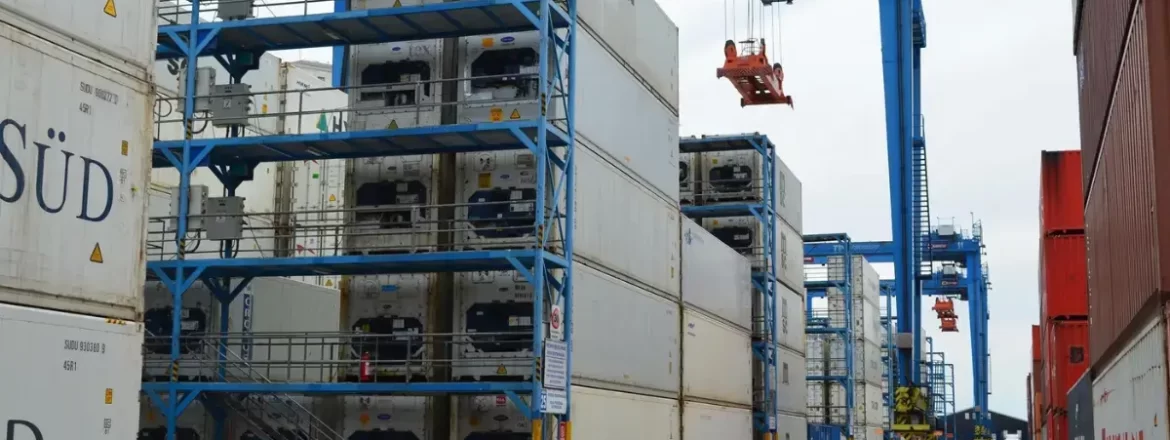
DỊCH VỤ VẬN CHUYỂN CONTAINER LẠNH TỪ HÀN QUỐC VỀ VIỆT NAM: THỜI GIAN & CƯỚC PHÍ TỐI ƯU Thương mại hai chiều Việt Nam – Hàn Quốc phát triển mạnh mẽ kéo theo nhu cầu nhập khẩu các mặt hàng cần kiểm soát nhiệt độ nghiêm ngặt như dâu tây tươi, sâm tươi, hải […]
QUẢN LÝ CHUỖI CUNG ỨNG LẠNH DƯỢC PHẨM: PHÂN LOẠI VÀ TIÊU CHUẨN KHO VẬN
QUẢN LÝ CHUỖI CUNG ỨNG LẠNH DƯỢC PHẨM: PHÂN LOẠI VÀ TIÊU CHUẨN KHO VẬN Trong cấu trúc logistics hiện đại, chuỗi cung ứng lạnh dược phẩm (Pharmaceutical Cold Chain Logistics) được xem là một trong những phân khúc phức tạp và khắt khe nhất. Khác với thực phẩm hay hàng hóa thông thường, dược […]

Top các quốc gia xuất khẩu dược phẩm vào Việt Nam
Tổng quan cơ cấu & xu hướng các quốc gia xuất khẩu dược phẩm vào Việt Nam Thị trường dược phẩm Việt Nam hiện đang nằm trong nhóm các quốc gia có tốc độ tăng trưởng ngành y tế nhanh nhất khu vực Đông Nam Á. Với quy mô dân số tiệm cận 100 triệu […]
Bảng giá và Quy trình vận chuyển container lạnh từ Tây Ban Nha về Việt Nam
Bảng giá và Quy trình vận chuyển container lạnh từ Tây Ban Nha về Việt Nam Tây Ban Nha là một trong những đối tác thương mại hàng đầu của Việt Nam tại Liên minh Châu Âu (EU). Nhu cầu nhập khẩu các mặt hàng thực phẩm cao cấp từ quốc gia Bán đảo Iberia […]
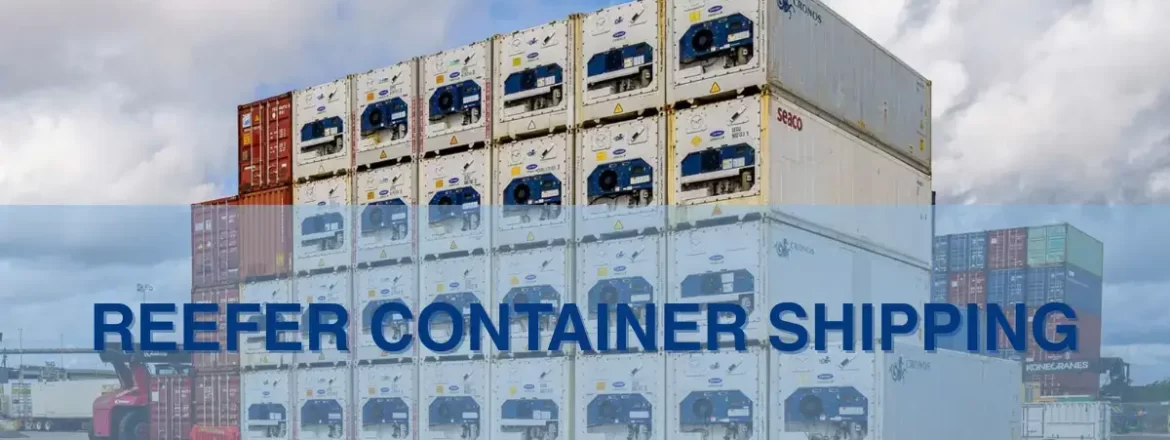
KINH NGHIỆM VẬN CHUYỂN DƯỢC PHẨM BẰNG CONTAINER LẠNH
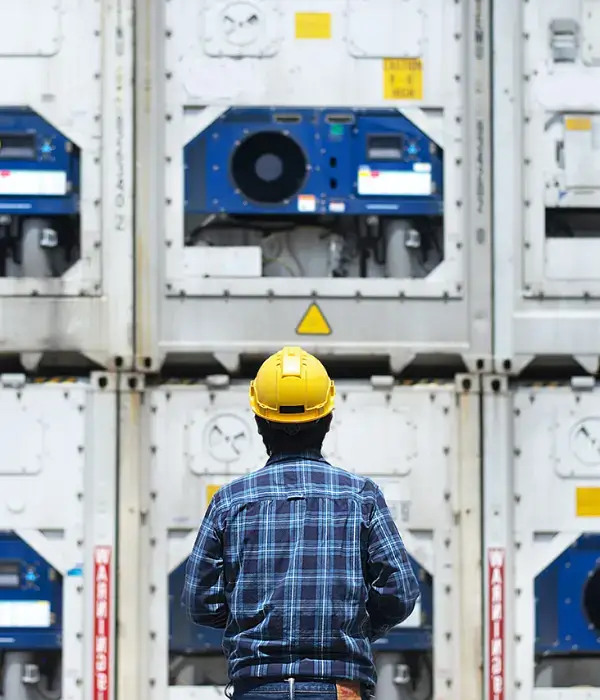
KINH NGHIỆM VẬN CHUYỂN DƯỢC PHẨM BẰNG CONTAINER LẠNH (REEFER CONTAINER) Sự dịch chuyển phương thức vận tải dược phẩm, vắc xin và các chế phẩm sinh học từ đường hàng không sang đường biển thông qua container lạnh (reefer container) đang gia tăng mạnh mẽ trên phạm vi toàn cầu. Nguyên nhân cốt lõi […]
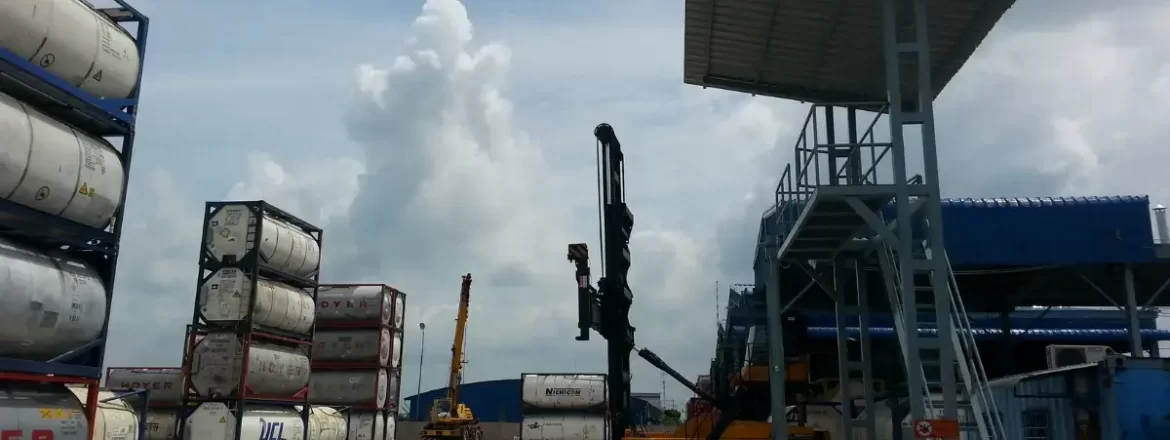
Kinh nghiệm và tiêu chuẩn vận chuyển container bồn (ISO TANK)
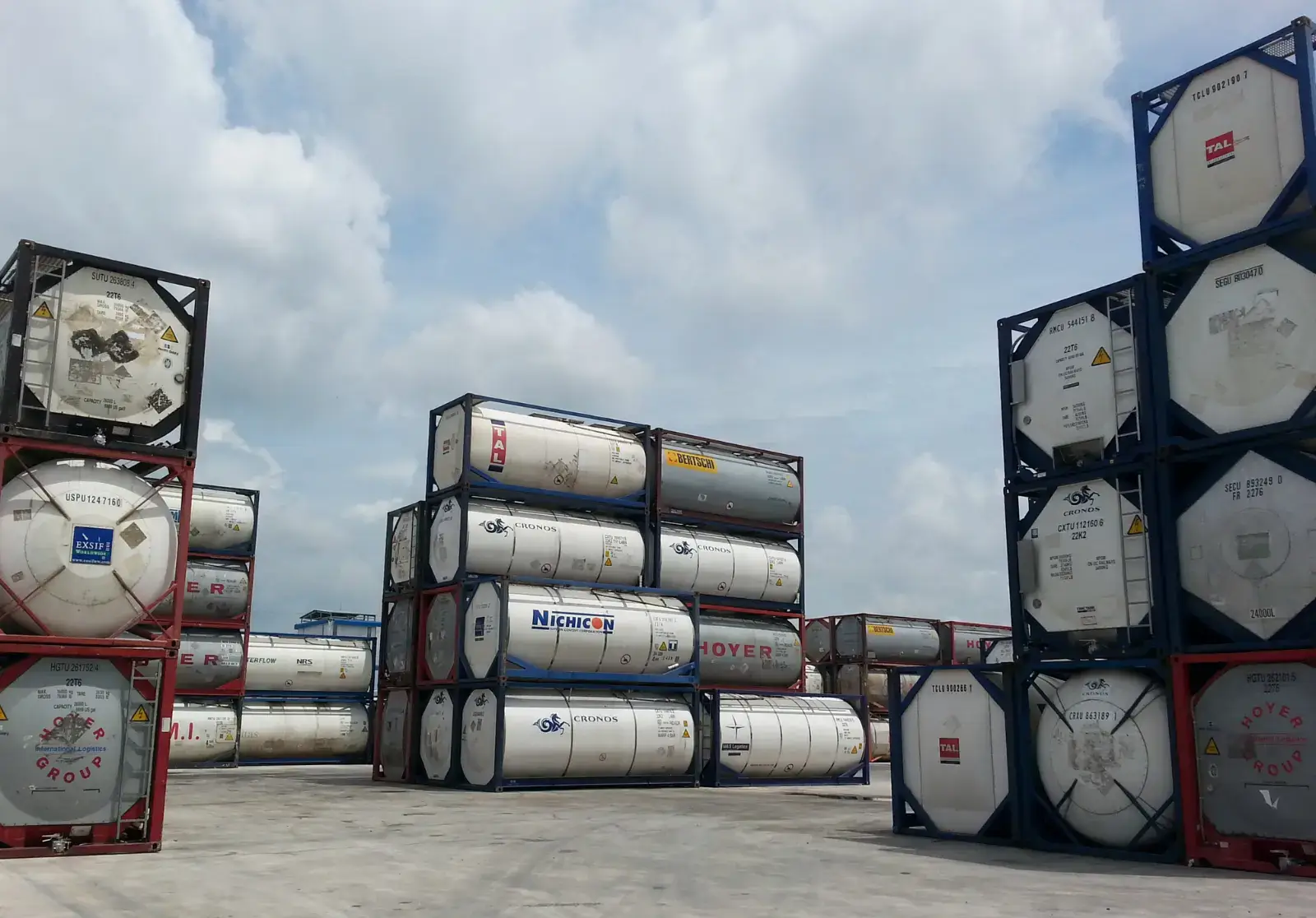
Kinh nghiệm và tiêu chuẩn vận chuyển container bồn (ISO TANK) Sự phát triển mạnh mẽ của các ngành công nghiệp hóa chất, dầu khí, thực phẩm và dược phẩm đã thúc đẩy nhu cầu vận chuyển chất lỏng, khí hóa lỏng và hóa chất nguy hiểm bằng phương thức container bồn đa phương thức […]
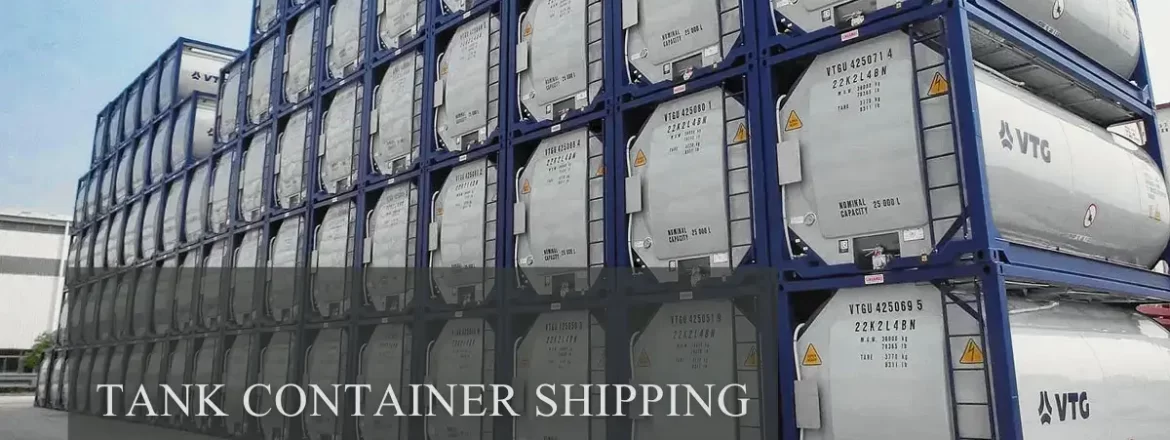
Vận tải chất lỏng bằng container bồn (ISO TANK): giải pháp an toàn và bền vững
Vận tải chất lỏng bằng container bồn (ISO TANK): giải pháp bền vững trong thương mại toàn cầu Ngày nay, nhu cầu luân chuyển nguyên liệu lỏng an toàn, bảo toàn phẩm cấp và tiết kiệm tài nguyên ngày càng trở nên cấp thiết. Từ hóa chất công nghiệp, dung môi hữu cơ, nhiên liệu […]
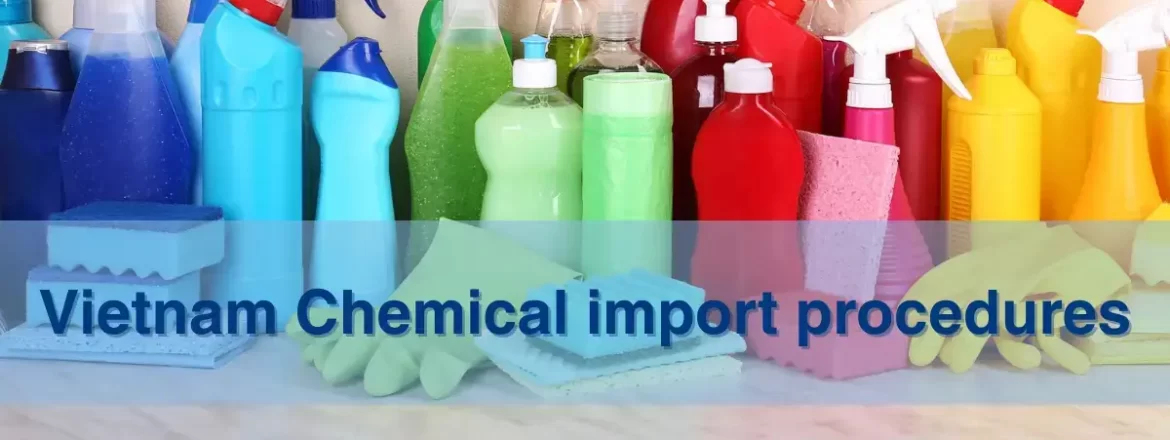
Vietnam chemical import guide: mandatory documents, customs & compliance checklist
Vietnam chemical import guide: mandatory documents, customs & compliance checklist Vietnam has positioned itself as a global manufacturing hub, driving an unprecedented demand for raw materials. From industrial solvents for textiles to specialized compounds for electronics, the volume of chemicals entering Vietnamese ports is skyrocketing. However, for many people, importing chemicals into Vietnam is widely […]
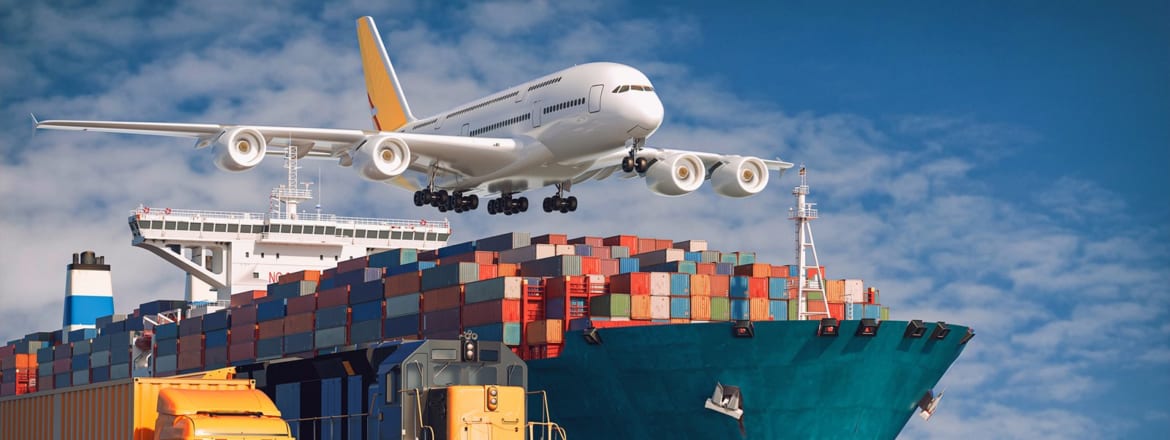
Cost vs. risk in chemical logistics: when to choose air freight over sea transport?
Shipping chemicals by air vs. sea: a comprehensive guide to modes, costs, and regulations The chemical logistics landscape is recently defined by volatility. With fluctuating freight rates and shifting geopolitical realities, Logistics managers are constantly balancing the “Need for Speed” against “Budget Constraints.” While sea freight traditionally handles the bulk of global trade volume, air […]
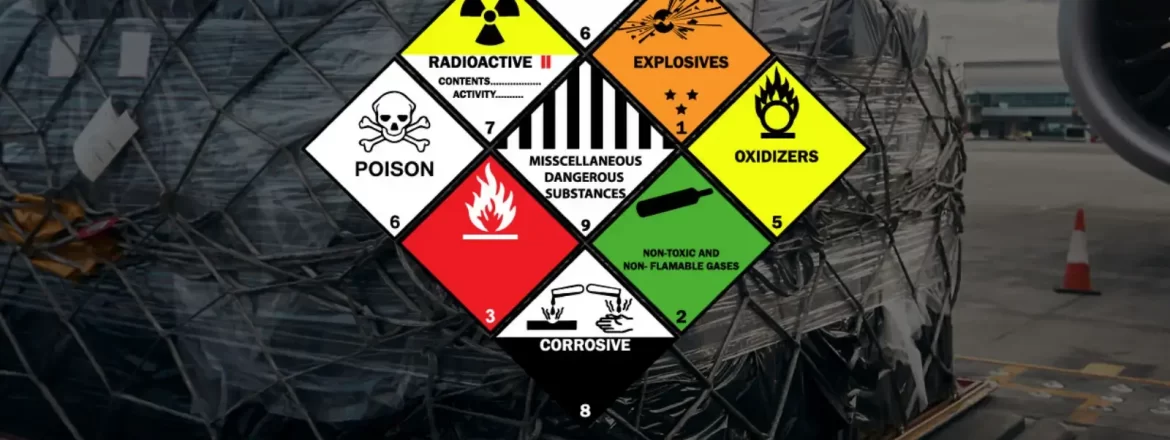
Using your MSDS/SDS to determine transport hazard classes
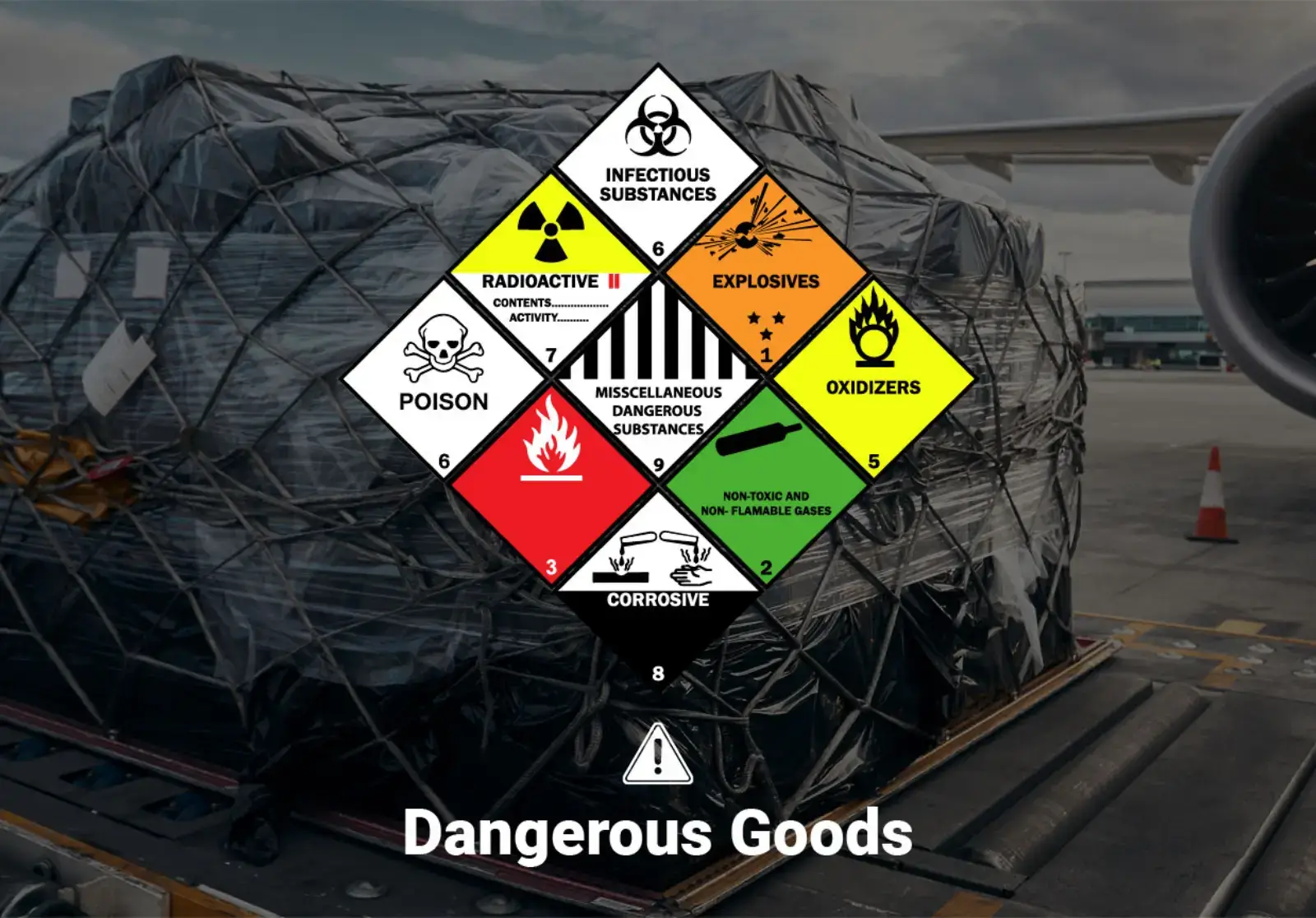
Using your MSDS/SDS to determine transport hazard classes In the fast-paced world of international trade, air cargo is often the preferred mode of transport for high-value or time-sensitive goods. However, the movement of cargo is a competitive commercial business with considerable scope for error. Unlike a passenger who can complain if the cabin is too […]
- 1
- 2