

Understanding the IMDG Code: guides for maritime chemical transport
Maritime chemical transport carries inherent risks: leaks, fires, or even environmental disasters can result from improper handling of dangerous goods. To minimize these hazards, the International Maritime Organization (IMO) publishes the IMDG Code. This globally recognized guideline harmonizes how chemicals are classified, packed, marked, and stowed aboard ships.
In this post, you will learn:
– The origins and scope of the IMDG Code
– How to classify your cargo under 9 hazard classes
– Packaging rules for UN-approved materials
– Proper marking, labeling, and documentation
– Stowage and segregation best practices
– Training requirements and enforcement measures
By the end, you will understand how to apply IMDG rules to ensure safe, efficient maritime chemical transport.
What is the IMDG Code?
The IMDG Code was first adopted in 1965 by the IMO and is updated every two years. It standardizes the shipment of dangerous goods by sea, aligning national regulations under one international framework. Key features include:
– Global scope: Mandatory for all ships flying IMO-member flags and for all ports in member states
– Biennial updates: Keeps pace with technological advances, emerging hazards, and incident lessons learned
– Mandatory compliance: Non-compliance can lead to fines, port detention, or cargo confiscation
Recent editions have strengthened rules around lithium battery transport and introduced digital data carriage options. Ensuring you reference the latest edition is vital to avoid costly mistakes.
Classification of Dangerous Goods
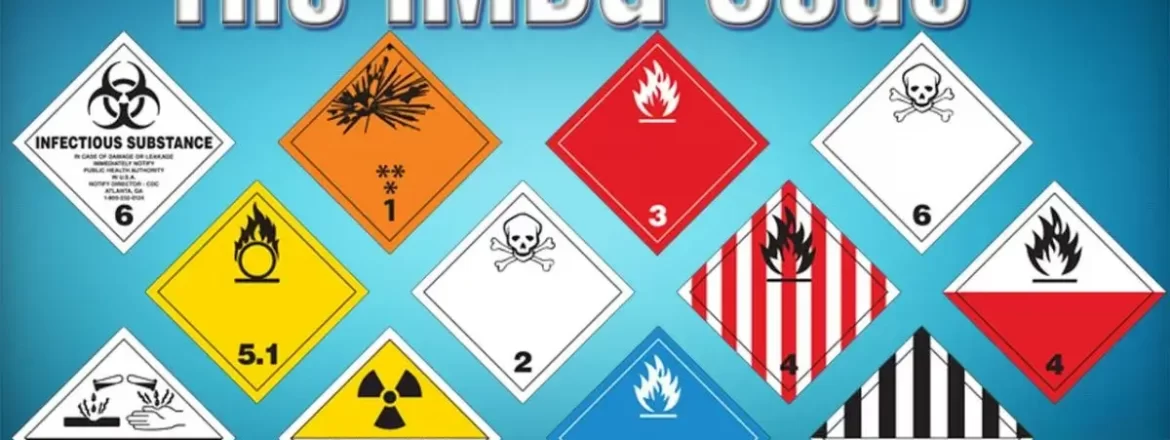
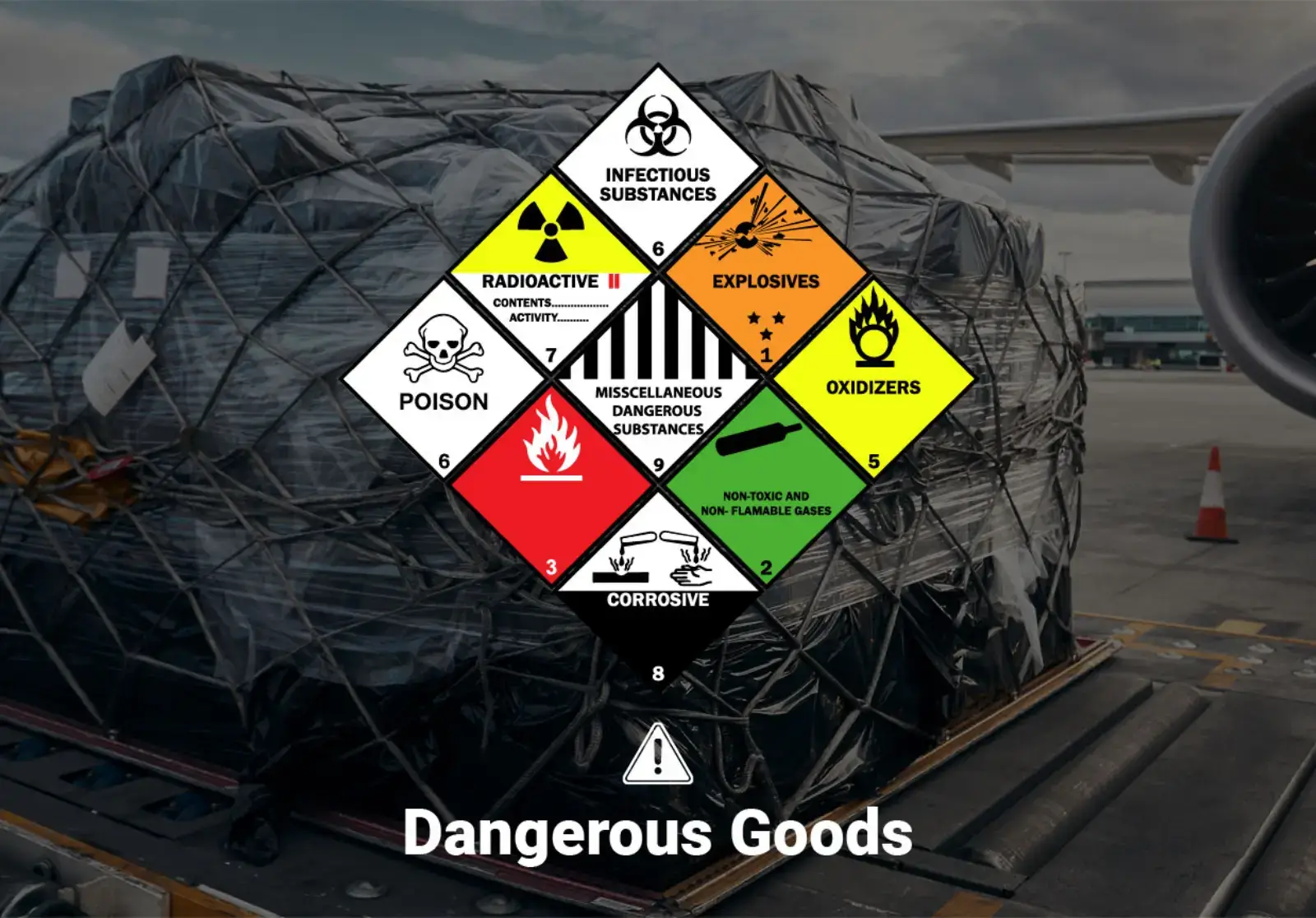
Correct classification is the first step in IMDG compliance. The Code organizes substances into nine hazard classes:
- Explosives
- Gases (compressed, liquefied, or dissolved)
- Flammable liquids
- Flammable solids; self-reactives; desensitized explosives
- Oxidizing substances and organic peroxides
- Toxic and infectious substances
- Radioactive material
- Corrosives
- Miscellaneous dangerous goods
Within each class, goods are further assigned to Packing Groups I, II, or III, indicating high, medium, or low danger. To classify:
- Review the Safety Data Sheet (SDS) for each chemical
- Apply criteria in the IMDG Code’s Part 2 (based on flammability, toxicity, reactivity)
- Confirm UN numbers and proper shipping names
Accurate classification reduces the risk of improper packaging or stowage, which can lead to accidents.
Packaging and Container requirements
IMDG-approved packaging protects cargo integrity and prevents release of hazardous materials. Key packaging elements:
– UN specification packaging: Each package must bear a UN mark showing its design type, performance level, and approval year
– Inner packagings: For liquids and solids, inner containers must fit within a robust outer packaging or overpack
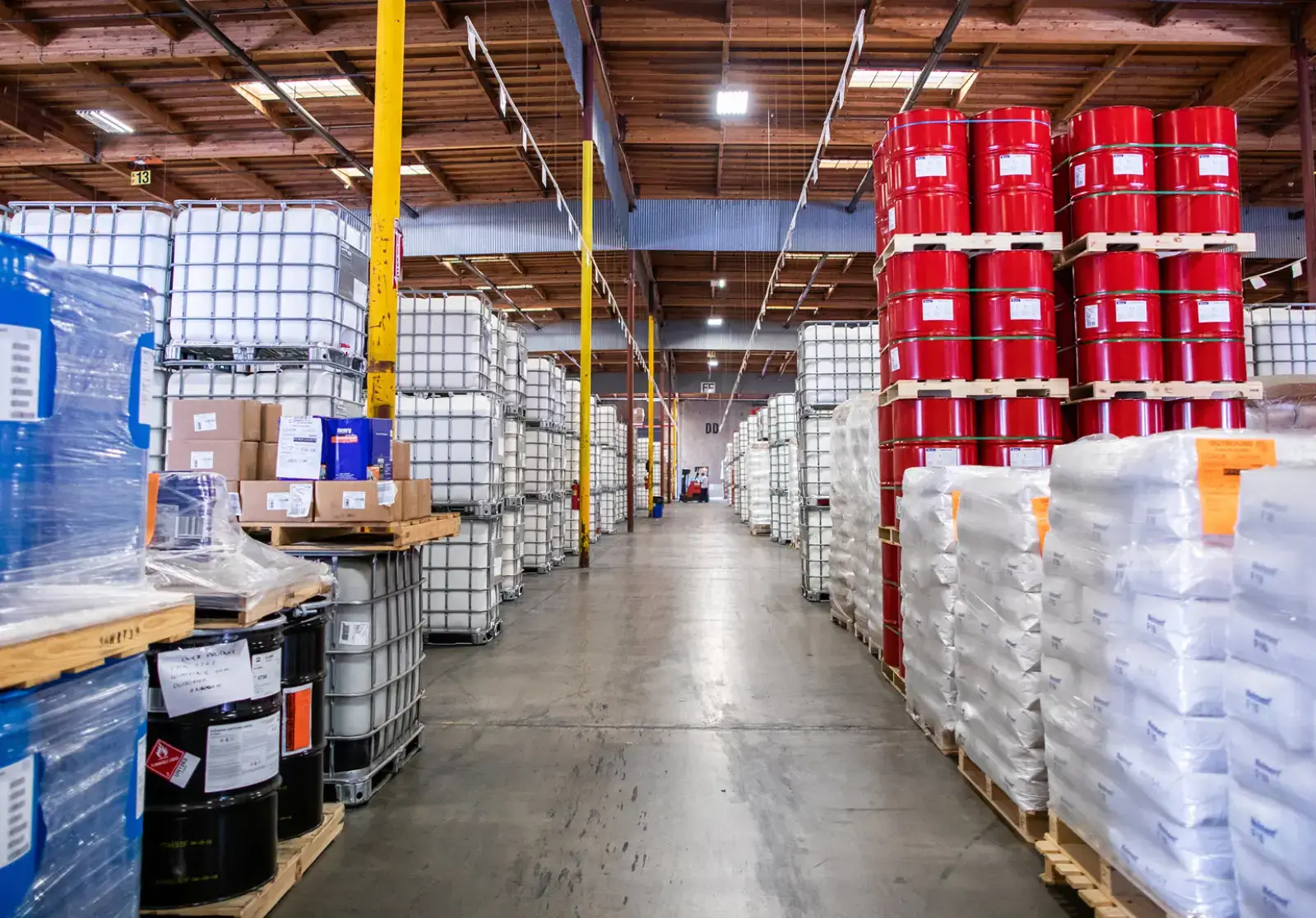
– Intermediate Bulk Containers (IBCs): Used for larger volumes (up to 3000 liters), IBCs must meet stringent structural tests
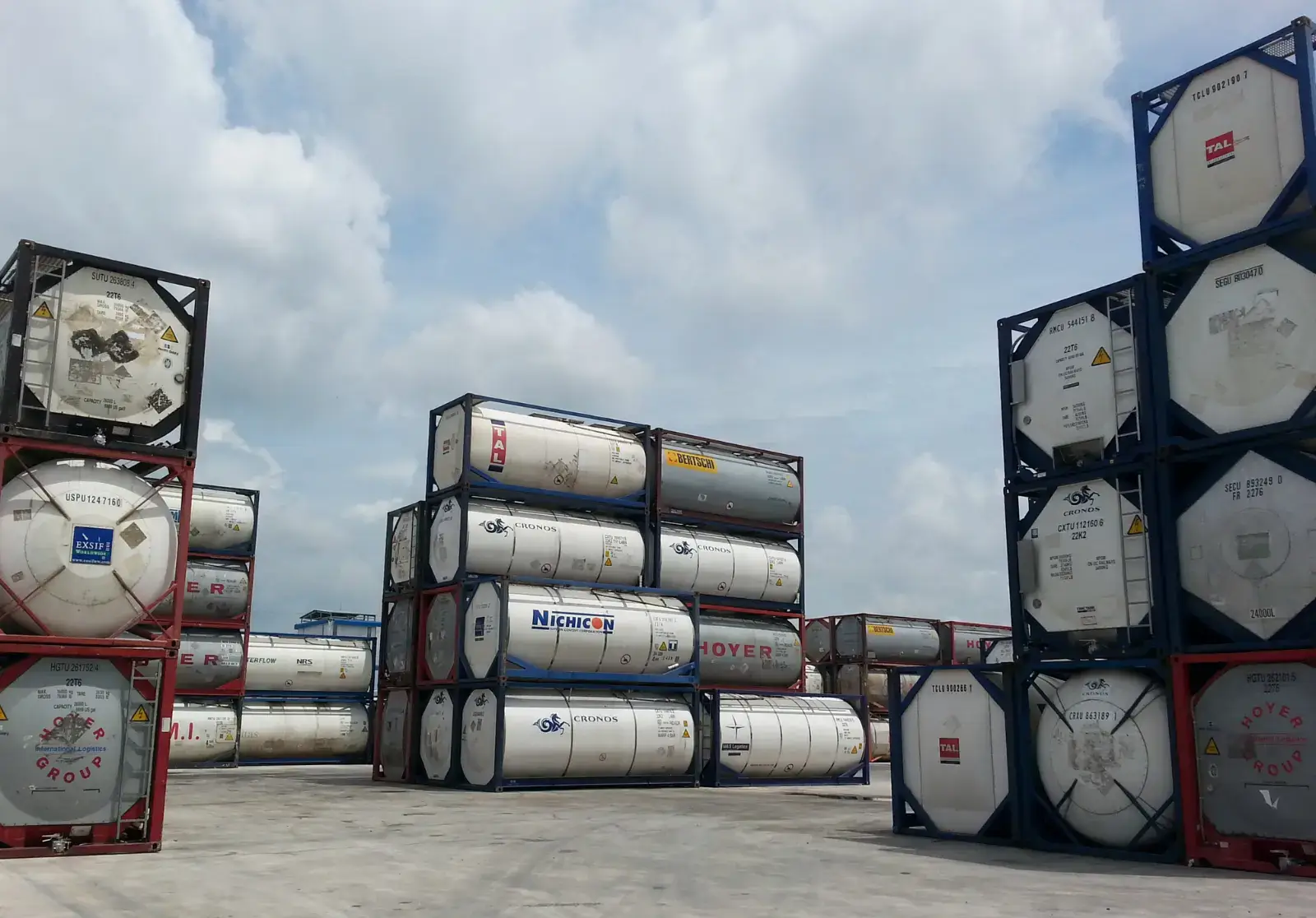
– Portable tanks and tank containers: Follow Chapter 6.7 requirements for filling limits, pressure relief devices, and recertification intervals
Always verify compatibility between chemical and container materials. For example, oxidizing agents should not be packed in aluminum drums, which could trigger reactions.
Marking, Labeling, and Documentation
Clear marks and labels alert handlers to hazards, while accurate documents enable efficient customs clearance and emergency response.
1. Marks and Labels
– Dangerous goods marks: Diamond-shaped hazard labels display the class number and symbol
– Handling marks: “This Way Up,” “Keep Away from Heat,” and other orientation or storage instructions
– Marine pollutant mark: If a substance poses environmental risks to sea water, the “fish and tree” symbol is required
2. Dangerous Goods Declaration (DGD)
A correctly completed DGD Form by IMDG must accompany each shipment and include:
– Shipper and consignee details
– Proper shipping name, UN number, and class
– Packing group
– Type and quantity of packages
– Emergency contact information
3. Shipping Documents and Stowage Plans
– Bill of lading: Incorporates DG statements
– Cargo manifest: Lists all dangerous goods on board
– Stowage plan: Indicates location of each DG package or container for quick reference during loading and emergencies
How to follow IMDG?
Ensuring safe, compliant maritime chemical transport under the IMDG Code is not optional-it is essential to protect your personnel, assets, and the marine environment. To recap:
– Classify each chemical accurately using the nine hazard classes and packing groups
– Package goods in UN-approved containers, verifying material compatibility
– Mark and label shipments clearly and prepare a complete Dangerous Goods Declaration
– Stow and segregate cargo according to category and incompatibility tables
– Train staff regularly in general awareness, function-specific tasks, and emergency response
– Audit your DG procedures and stay informed of local enforcement practices
Next steps:
- Download the latest IMDG Code edition from the IMO website
- Review your existing chemical shipping protocols against this guide
- Schedule training sessions in your local language for all relevant staff
- Perform a pilot audit on one outgoing shipment and correct any gaps
By following these IMDG guidelines, your organization will be better equipped to handle maritime chemical transport safely and efficiently-ensuring compliance across Asian ports and beyond.