

Ho Chi Minh City accelerates Free Trade Zone development to become Southeast Asia’s Logistics Hub
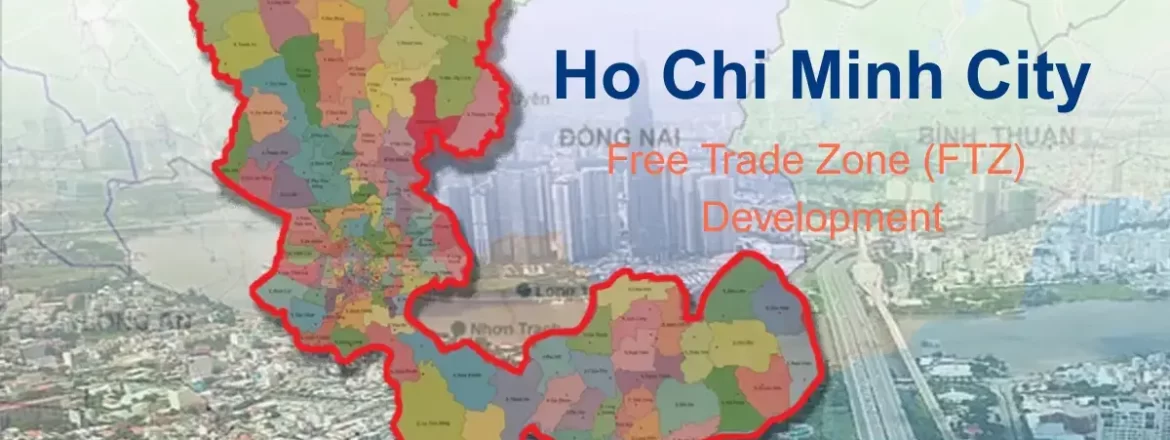
Ho Chi Minh City is making bold strides toward becoming a leading logistics and international trade hub in Southeast Asia. The Department of Industry and Trade has released an update on the city’s Free Trade Zone (FTZ) strategy, outlining plans for 04 strategically located FTZs: Can Gio, An Binh, Bau Bang, and Cai Mep Ha.
These FTZs are set to revolutionize Vietnam’s logistics infrastructure by integrating smart port systems, sustainable supply chain technologies, and high-value industrial services. The city’s long-term vision includes a mega port and logistics cluster that will serve as a direct gateway to global maritime trade routes.
Vietnam’s Smart Logistics and Port Strategy
At the heart of the initiative is the development of a high-tech port-logistics corridor linking Can Gio, Cai Mep–Thi Vai, and Phu My. This logistics corridor will support Vietnam’s ambitions to become a top-tier player in international shipping and smart logistics. The mega port at Cai Mep Ha will leverage big data, automation, and carbon-reduction systems to optimize cargo handling and minimize emissions.
By building a seamless logistics ecosystem, Ho Chi Minh City aims to streamline customs processes, enhance intermodal transportation, and attract high-tech manufacturing and international investment.
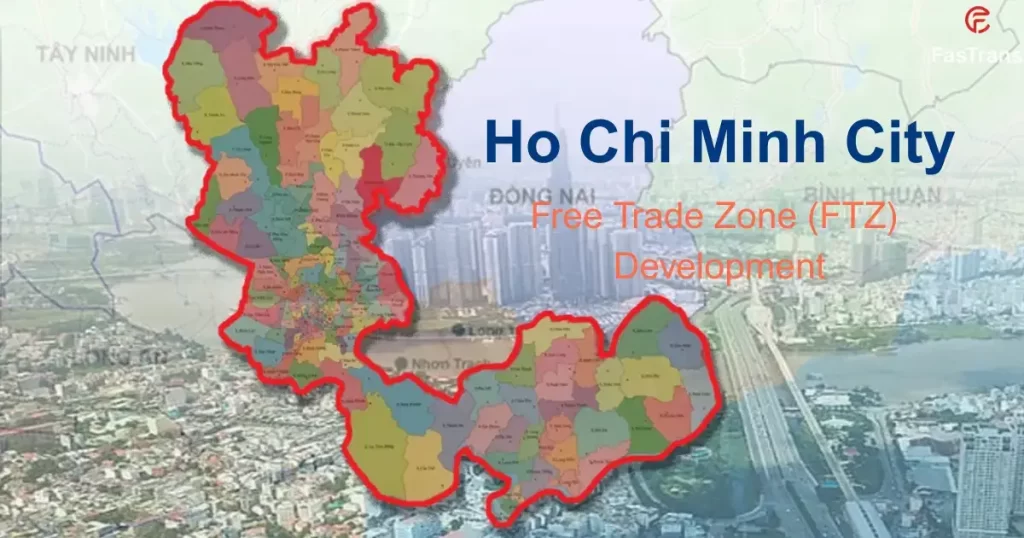
Overview of the Proposed Free Trade Zones
1. Can Gio FTZ
Located near the future Can Gio International Transshipment Port and Ganh Rai Bay, this 1,000–2,000 hectare FTZ will play a critical role in connecting Vietnam to major global sea lanes. It is positioned to become a vital distribution and transshipment hub for Southeast Asia.
2. Cai Mep Ha FTZ
Covering approximately 3,700 hectares in Phu My Town, this FTZ will integrate three zones: a transport gateway, a logistics and industrial warehousing zone, and a high-tech industrial park with residential and service functions. Its location adjacent to the Cai Mep–Thi Vai port complex offers direct access to international sea routes.
3. Bau Bang FTZ
Situated on the logistics corridor between the Moc Bai border gate (Tay Ninh) and Cai Mep–Thi Vai port, Bau Bang FTZ spans around 100 hectares. It will serve as a transshipment center for goods from Vietnam’s Central Highlands and Cambodia, with access to the proposed Ho Chi Minh City–Loc Ninh railway.
4. An Binh FTZ
Located near the Song Than dry port, this 100-hectare zone will support multimodal logistics by connecting road and rail freight to key sea ports and border crossings. It is designed to streamline inland cargo transport and customs processing.
Strong Investor Interest in Vietnam’s FTZ Projects
The FTZ plan has attracted interest from top logistics and industrial players, including global port operator DP World, Vingroup, and Geleximco. These investors recognize Vietnam’s growing role in international trade, driven by increasing exports and regional integration.
However, execution has been delayed due to the absence of a specialized legal framework for FTZs. Key challenges include taxation, investment incentives, and land use policies.
To overcome these obstacles, the Department of Industry and Trade has proposed incorporating FTZ-specific mechanisms into Resolution 98. These changes would create a flexible investment environment to support infrastructure development and attract global capital.
National Context: Vietnam’s FTZ Expansion Strategy
Currently, only two FTZs-located in Da Nang and Hai Phong-have received official approval from the National Assembly. In addition, Dong Nai Province is proposing a new FTZ near Long Thanh International Airport, focused on manufacturing, logistics, fintech, and digital economy clusters.
Ho Chi Minh City’s FTZ strategy is part of a broader national effort to upgrade Vietnam’s logistics sector and meet the growing demand for export-oriented industrial services.
A New Era for Vietnam’s Global Trade Connectivity
The development of smart Free Trade Zones and mega port infrastructure in Ho Chi Minh City marks a significant milestone in Vietnam’s logistics evolution. These FTZs will enhance the city’s ability to attract foreign investment, reduce logistics costs, and increase trade volume.
If successfully implemented, the initiative will not only position Ho Chi Minh City as a key logistics gateway for Southeast Asia but also elevate Vietnam’s standing in the global supply chain, while promoting sustainable, technology-driven economic growth.