


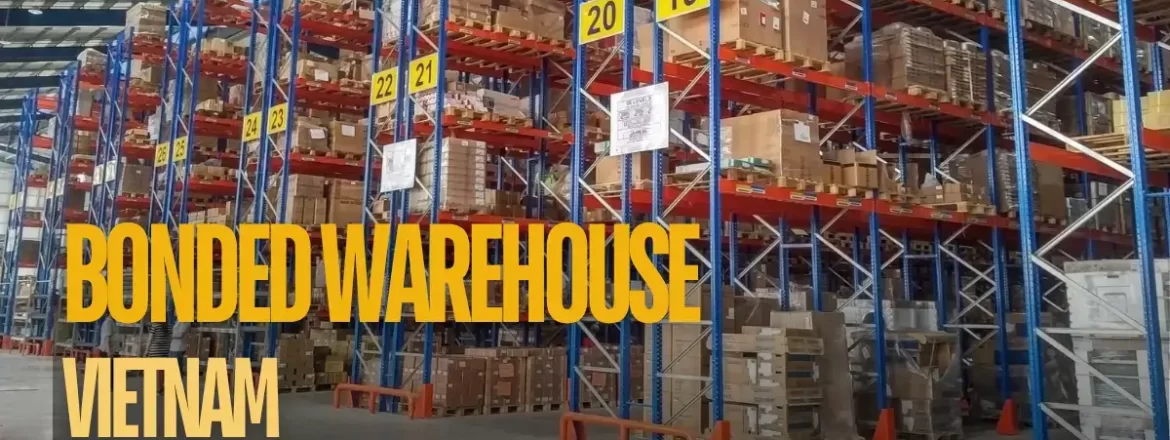
Understanding bonded warehouses: Definition, benefits, and step-by-step cargo process
In the complex symphony of global logistics, where goods flow across borders, the single most persistent challenge for importers and exporters remains cash flow management, particularly in relation to customs duties and tariffs. The financial burden of paying import taxes the moment cargo lands can strain working capital, especially when market demand is uncertain or goods require further processing.
👉 This is where the Customs Bonded Warehouse emerges as an indispensable strategic asset.
More than just a storage facility, a bonded warehouse is a critical instrument of financial strategy and supply chain flexibility. It acts as a secured neutral zone, authorized by customs authorities, allowing businesses to house imported goods without the immediate payment of duties, Value Added Tax (VAT), or other taxes. These goods are literally held “in bond,” under the protective eye of customs, and only when they are withdrawn for domestic sale are those duties due.
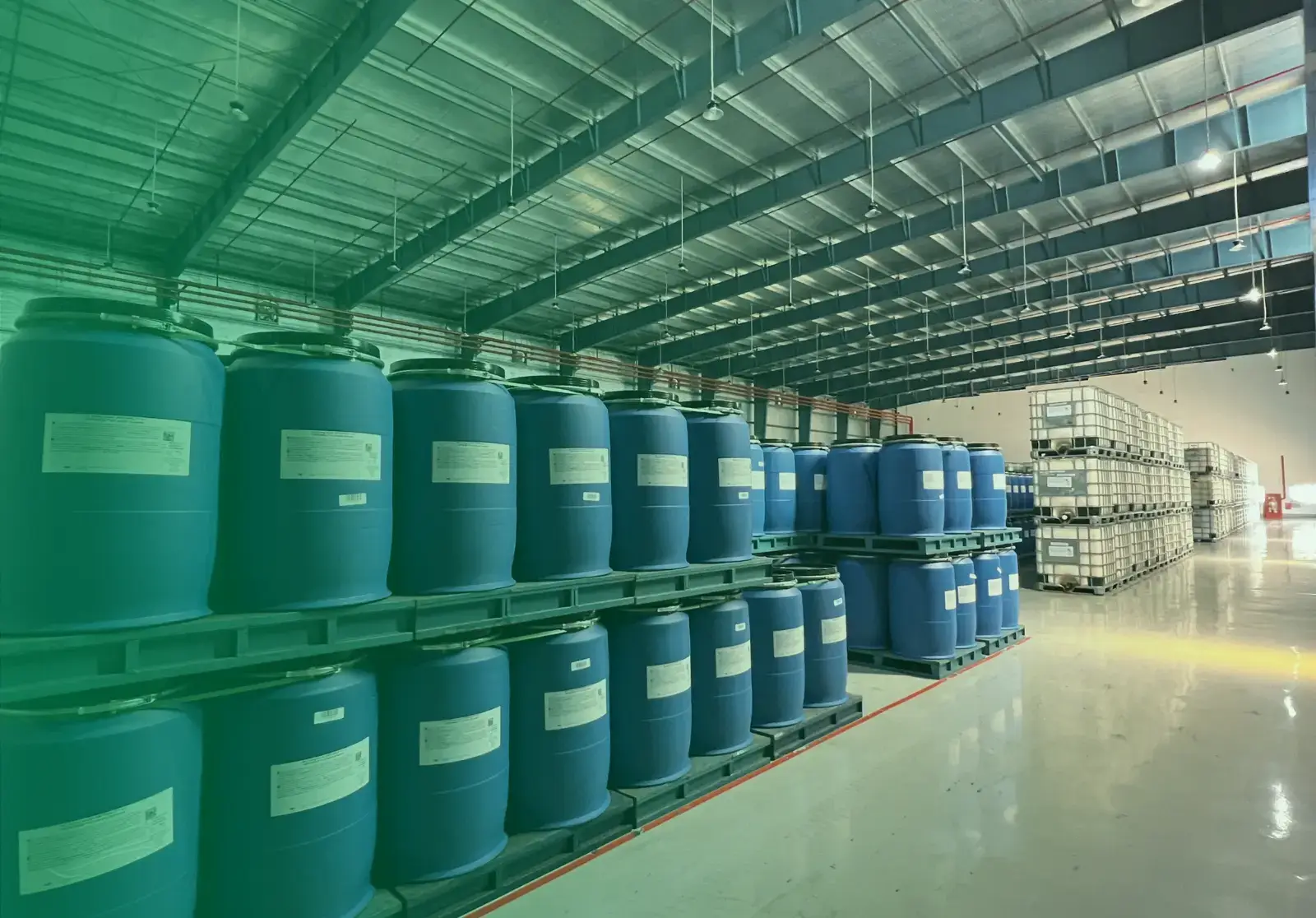
What is a customs bonded warehouse?
The technical bonded warehouse definition is essential for understanding its legal and operational function: “A bonded warehouse is a building or other secured area in which dutiable goods may be stored, manipulated, or undergo manufacturing operations without payment of duty”.
The facility is officially licensed and supervised by the national customs authority (e.g., U.S. Customs and Border Protection, Vietnam Customs, HMRC in the UK). This official authorization means the goods held within are technically considered to be outside the customs territory of the country, even though they are physically present on its soil.
The defining characteristic: customs custody
The defining trait of a bonded facility is the concept of Customs Custody. When imported goods are placed in a bonded warehouse, they remain under the legal control of the customs authority. This custody allows for the crucial benefit of tax deferment because the goods have not yet been formally “entered” into the domestic commerce market.
Crucial Point: Duties and taxes are paid only when the goods are withdrawn from the warehouse for domestic consumption. If the goods are re-exported, no duties are paid at all. This financial flexibility is the primary reason why businesses utilize this system.
Strategic benefits of using a bonded warehouse
1. Tax deferment
This is the most significant benefit. In traditional importation, duties and VAT must be paid immediately upon customs clearance. By contrast, a bonded warehouse provides tax deferment:
- Optimized Cash Flow: Capital that would otherwise be tied up in duty payments is freed up. This cash can be used for operational expenses, marketing, or other investments, significantly improving the company’s working capital position.
- Payment on Demand: Duties are only paid on the specific quantities of goods withdrawn for sale. If a company receives a large shipment but plans to sell it over six months, they only pay duties on 1/6th of the value each month, matching tax expense with sales revenue.
- Risk Mitigation: If the goods are damaged, become obsolete, or are rejected by the market while in the bonded facility, they can be destroyed or re-exported without ever paying the import tax—a substantial financial safeguard.
2. Facilitating re-exportation and global trade
For businesses acting as global distribution hubs, the bonded warehouse is indispensable for re-exportation.
- Zero Duty for Re-export: Goods imported into the country solely for transshipment or re-export to a third country can be stored and then shipped out without paying any import duties or VAT. This bypasses complex duty drawback schemes and makes the country a more attractive hub for international logistics.
- Consolidation and Deconsolidation: Businesses can import large volumes from multiple origins, consolidate them within the bonded facility, and ship customized orders out to various international destinations, all in a tax-neutral environment.
3. Permissible Value-Added Activities (Manipulation)
While storage is the primary function, customs bonded warehouse rules often permit certain value-added activities, collectively known as “manipulation.” These activities prepare the goods for the local market or foreign destinations without triggering the payment of duties:
- Sorting, Grading, and Repackaging: Breaking bulk shipments into smaller, market-ready packages.
- Labeling and Marking: Applying local language labels, required country-of-origin markings, or price tags.
- Light Assembly: Simple assembly or mixing (e.g., combining components from different origins).
- Testing and Sampling: Allowing quality control and market sampling before formal duty payment.
The operational flow: step-by-step cargo process
Step 1: Inbound customs declaration (entry for warehousing)
The process begins immediately upon the arrival of the cargo at the port of entry (air, sea, or land).
– Filing the Declaration: The importer or their customs broker must file a specific entry document – an in-bond entry or customs declaration for warehousing
– Customs Authorization: Once the customs authority approves the declaration, the goods are placed under an in-bond movement status.
Step 2: Transfer and official receipt
The physical movement of the cargo to the bonded warehouse is conducted under customs supervision, either physical or via electronic tracking.
– Transfer: The goods are transported to the licensed bonded facility.
– Verification: Upon arrival, the warehouse operator and sometimes a customs officer verify the quantity and condition of the cargo against the in-bond declaration
– Inventory Logging: The goods are officially logged into the warehouse management system (WMS) as “bonded stock.”
Step 3: Storage, manipulation, and compliance
– Storage: Goods can remain in a bonded facility for a defined period (which varies by country, often up to 2-3 years, with possible extensions).
– Manipulation: Any authorized value-added activities (repacking, labeling) are performed. The operator must keep meticulous records of these activities, as complex manufacturing may require a different license (e.g., a manufacturing bonded warehouse).
– Security and Accountability: The operator assumes liability for the duty value of the goods. If any cargo is lost, stolen, or damaged without proper customs approval, the operator is typically responsible for paying the full duties as if the goods had been sold domestically.
Step 4: The outbound process (the withdrawal)
The eventual release of the goods involves one of two critical outbound declarations, depending on the final destination:
– Withdrawal for Domestic Consumption: The importer files a standard Import Declaration and pays the applicable duties, tariffs, and taxes based on the quantity and value of the goods being withdrawn
– Withdrawal for Re-exportation: The importer files a Re-export Declaration. No duties or taxes are paid, as the goods are destined to leave the country
Step 5: Inventory Reconciliation and Auditing
– Periodic Reporting: Operators are required to submit regular reports (e.g., monthly or quarterly) detailing all inbound receipts, outbound withdrawals, and current stock balances to the customs authority
– Auditing: Customs officers conduct periodic audits to reconcile the physical inventory with the electronic records. This ensures that every unit of bonded cargo is accounted for, upholding the integrity of the in-bond system.
Advanced considerations: bonded warehouse vs. free trade zone
For businesses primarily concerned with cash flow optimization for standard imported inventory, a Bonded Warehouse is usually the simpler, faster, and more cost-effective option. For large-scale manufacturing or complex value chains, an FTZ may be more appropriate.
| Feature | Customs Bonded Warehouse | Free Trade Zone (FTZ) |
| Primary Function | Storage and basic manipulation of foreign goods before duty payment. | Manufacturing, assembly, and extensive processing. |
| Physical Scope | A single facility or defined area, licensed by Customs. | A geographically defined, expansive territory (e.g., an industrial park). |
| Regulatory Scope | Focused primarily on customs duty deferment. | Offers broader governmental incentives, including tax holidays, relaxed labor laws, and manufacturing permits. |
| Duty Status | Duties are due when goods leave for domestic market. | Duties may be completely exempted or greatly reduced, even for advanced manufacturing and domestic consumption (depending on local law). |
🏗 🏗 🏗 Stop letting customs duties unnecessarily drain your working capital!
The bonded warehouse is not merely a storage option; it is a sophisticated financial instrument and the ultimate strategy for agility in global trade. Are you confident your current logistics plan is maximizing your supply chain efficiency?
Don’t settle for basic logistics. Contact Fastrans team today for a free strategic consultation. Let us design a Bonded Warehouse solution that guarantees compliance, maximizes your savings, and streamlines your entire international operation.