


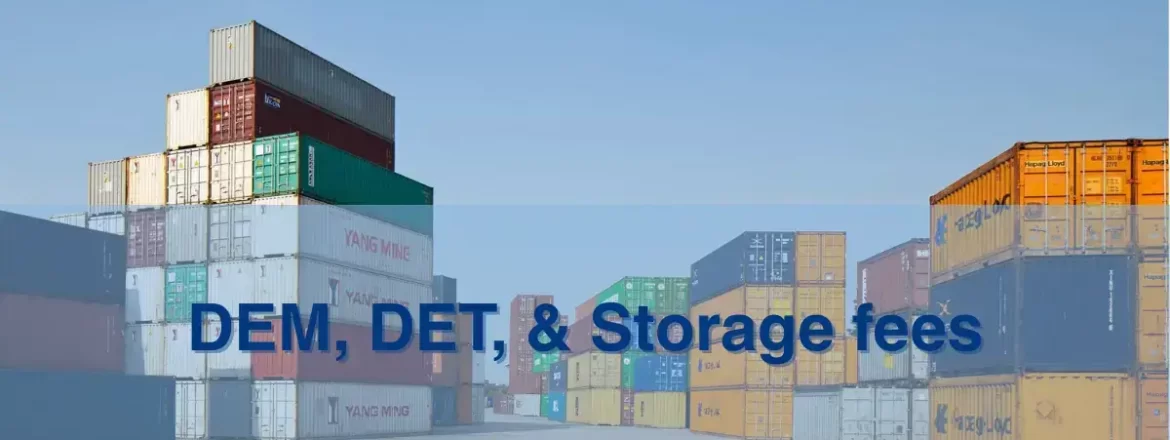
DEM, DET, & Storage fees explained: don’t confuse your container fees
In the intricate landscape of global supply chains, ocean freight serves as the backbone, facilitating the movement of massive cargo volumes. However, with the benefits of large-scale transport comes the risk of accruing unexpected costs known as surcharges. Among these, Demurrage (DEM), Detention (DET), and Storage Charge are arguably the most notorious for causing severe headaches for both importers and exporters.
Many businesses mistakenly treat these three charges as interchangeable or fail to grasp their distinct nature and calculation methods. This misunderstanding often results in companies paying astronomical fees, sometimes exceeding the value of the cargo itself, thus eroding profitability.
Drawing upon our deep industry knowledge in logistics, customs brokerage, and container management, we assert that clearly differentiating these three concepts is the most critical first step toward effective cost control. This article provides a comprehensive, accurate, and actionable breakdown of DEM, DET, and Storage Charge, empowering you to make smarter, more cost-efficient logistics decisions.
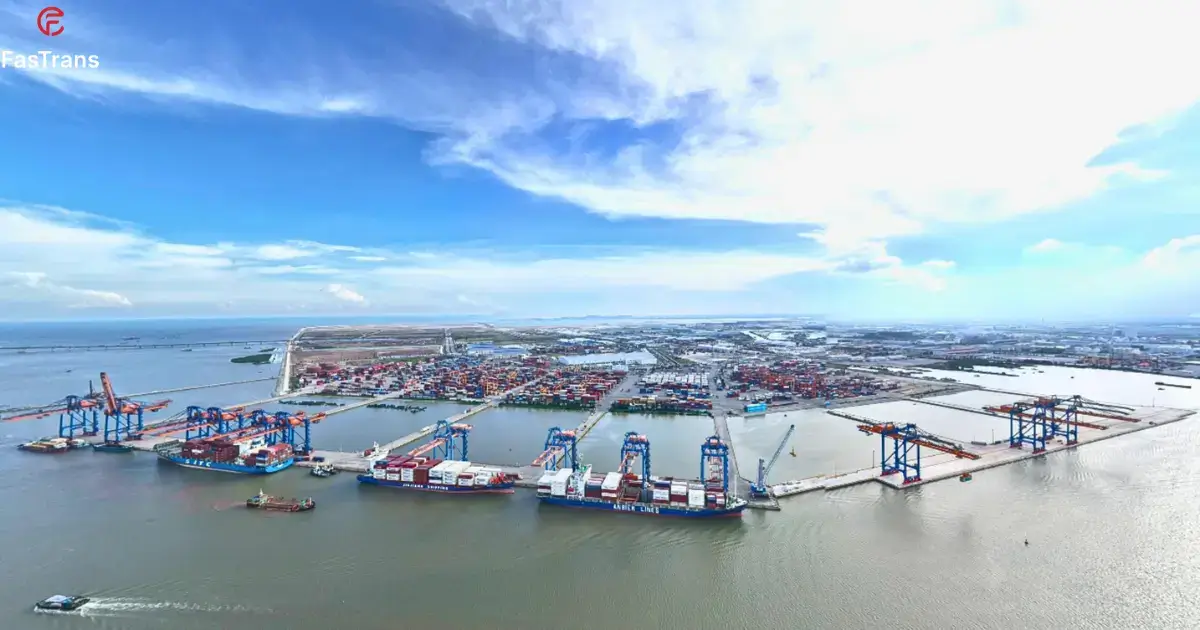
What is demurrage charge (DEM)?
Demurrage Charge (DEM), often simply called Demurrage, is a fee collected by the Shipping Line (Carrier) from the shipper or consignee when a loaded container remains inside the terminal’s Container Yard (CY) beyond the allotted free time (Free time) specified by the carrier.
Nature and purpose of the DEM
– Who collects it? The Shipping Line (Carrier).
– Where does it apply? Inside the port or terminal’s container yard, after the container has been discharged from the vessel (for import) or before it is loaded onto the vessel (for export).
– Purpose: DEM is compensation paid to the carrier because the customer has delayed the release of the container from the terminal. Essentially, the container is occupying space within the terminal that the carrier is responsible for, and the carrier passes this penalty fee on to the cargo owner.
Free demurrage time
The Free Demurrage Time is the duration a container can remain inside the port without incurring a DEM charge.
– Import Cargo: Calculated from the day the container is discharged from the vessel (Actual Time of Discharge – ATD) until the day the consignee completes customs clearance and physically retrieves the container from the terminal gate. The standard free time generally ranges from 3 to 7 days, depending on the carrier, port, and equipment type (e.g., dry vs. reefer)
– Export Cargo: Calculated from the time the full container is gated in (Container Receiving Date) until the vessel departs. This fee typically only arises if the cargo is rolled (misses the intended vessel) or there is a significant operational delay
What is Detention charge (DET)?
Nature and purpose of the DET
– Who collects it? The Shipping Line (Carrier).
– Where does it apply? Outside the port, typically at the consignee’s warehouse, shipper’s factory, or inland container depot.
– Purpose: DET compensates the carrier for the loss of utilization of their valuable container equipment. Since containers are rotating assets, holding them too long outside the terminal slows down the carrier’s equipment cycle, impacting their ability to use the container for subsequent bookings.
Context of DET fee generation
Import Cargo: Calculated from the day the loaded container leaves the port gate until the empty container is returned to the carrier’s designated empty depot. If the consignee takes 10 days to unload and return the empty container, but the free time is 5 days, the DET fee will be applied for the 5 excess days.
Export Cargo: Calculated from the day the shipper picks up the empty container from the designated depot until the full, stuffed container is returned to the load port terminal. DET can be incurred if the shipper takes the empty container too early or delays stuffing, causing the container to sit at the factory/warehouse for too long.
What is storage charge (Terminal Storage)?
Nature and key distinction
– Who collects it? The Port or Terminal Operator (NOT the shipping line).
– Where does it apply? Inside the port, specifically for occupying terminal ground space.
– Purpose: This is compensation to the terminal for the container occupying its limited real estate and reducing its operational efficiency.
The most critical difference:
While both DEM and Storage charges occur while the container is inside the port, they differ fundamentally in who the fee is paid to:
| Fee Type | Party Collecting | Rationale (Asset Being Occupied) |
| DEM | Carrier (Shipping Line) | Container is delayed from being returned to the carrier’s fleet cycle. (Carrier’s property is being occupied). |
| STORAGE | Terminal Operator (Port) | Container is occupying the terminal’s physical ground space. (Port’s property is being occupied). |
The free time for Storage Charge is often shorter than for DEM (e.g., 5 days for Storage, 7 days for DEM). In practice, if a cargo owner is late picking up an import container, they will likely pay Storage Charge to the Port and, once the carrier’s DEM free time expires, they will also pay Demurrage to the Carrier.
Comparison table: DEM, DET, and Storage
| Criteria | Demurrage (DEM) | Detention (DET) | Storage Charge (STO) |
| Full Name | Container inside Terminal Fee | Container outside Terminal Fee | Terminal Ground Rental Fee |
| Collecting Entity | Shipping Line (Carrier) | Shipping Line (Carrier) | Port / Terminal Operator |
| Scope of Application | Inside the Port (Container Yard – CY) | Outside the Port (Consignee’s Warehouse/Factory) | Inside the Port (Terminal ground space) |
| Import Context | After discharge, before leaving the gate. | After leaving the gate, before empty return to depot. | After discharge, before leaving the gate. |
| Export Context | After gate-in, before loading (usually due to rolling). | After empty pick-up, before full gate-in. | After gate-in, before loading (due to rolling/delay). |
| Standard Free Time | Common range: 3-7 days | Common range: 3-7 days | Common range: 3-5 days |
When do these fees emerge?
For import cargo
Import charges are typically triggered by delays in Customs procedures or Inland Transportation.
- DEM & Storage (Container inside Port):
- Customs/Documentation Issues: Slow receipt of original documents (B/L), prolonged customs inspections (Red/Yellow Channel), or failure to secure the Delivery Order (D/O) before the free time expires.
- DET (Container outside Port):
- Logistics Bottlenecks: Consignee lacks sufficient resources (labor, space) to quickly strip the container, long transit distances, or using the container as temporary warehouse storage.
For export cargo
Export fees are primarily related to Pre-shipment Preparation and Terminal Bottlenecks.
- DET (Container usage Time):
- Early/Late Handling: Taking the empty container too early, or delays in stuffing that cause the full container to be gated in after the vessel’s Closing Time.
- DEM & Storage (Container inside Port):
- Vessel Rollover: The most common cause is when a full container, already gated in, is subsequently Rolled (misses the intended vessel) due to overbooking or operational issues, forcing it to wait at the terminal past its free time.
Conclusion
Demurrage, Detention, and Storage Charges are more than just industry jargon; they are significant financial liabilities that can severely impact your bottom line. By truly understanding their definitions, their specific application, and implementing professional negotiation and planning strategies, your business can gain control over these costs.
Consider the active management of DEM, DET, and Storage as an indispensable part of your supply chain optimization strategy. Contact Fastrans today for comprehensive sea freight solutions, ensuring your cargo is moved efficiently and cost-effectively, every single time.